How the Lowcountry wears unsealed pavers down
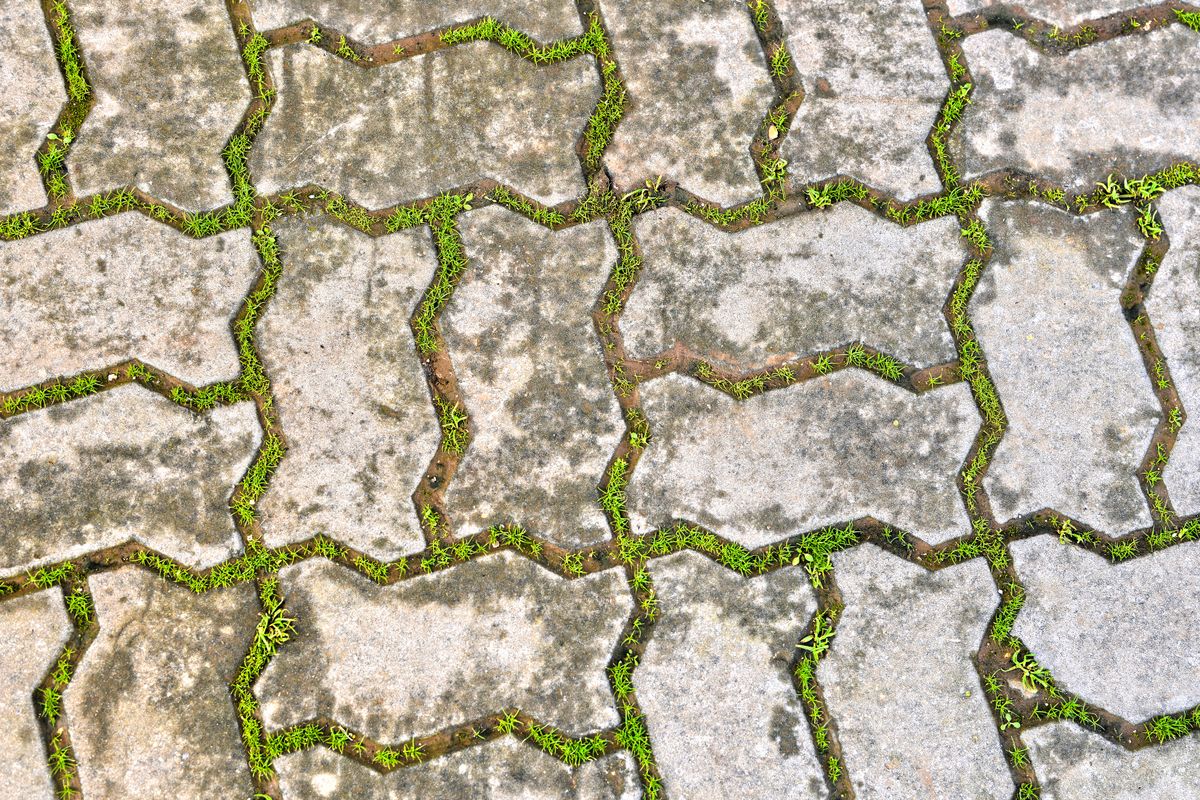
The reason a Savannah paver drive or patio starts to look tired sooner than the same stone would inland is not one thing but three working together. Salt air off the Savannah River, the marsh, and Wilmington Island settles as a fine mineral film on the surface and works into the pores of the stone, where it shows up as a dulling haze that a hose rinse only smears around. The Lowcountry humidity keeps the joints damp long after a rain has passed, and damp joints are exactly what weeds, moss, and ants want: loose sand in a wet seam is a seedbed, and the organic film that grows there is what turns a clean courtyard green at the edges within a season. And then the hard sun does its own work on stone that has never been sealed — UV exposure fades the color unevenly across a drive, so a once-uniform red or charcoal paver grey out in bands by the spring.
Those three loads — salt, persistent damp in the joints, and UV fading — are why a sealed surface in Savannah ages differently from an unsealed one. A sealer does not keep the stone from getting dirty, but it slows the rate at which the dirt bonds, keeps the joint sand locked so the weeds have a harder time getting established, and gives the UV something to hit before it hits the stone itself. The result is not a surface that stays perfect, but one that stays cleanable between services and does not turn into a yearly re-leveling chore. That distinction is the whole reason the service exists here rather than just recommending another wash.
The clean, the re-sand, and the sealer are one job, and skipping one ruins the next
A paver sealing visit that only seals is wasting your money, and one that only cleans and skips the sanding leaves you with a wiped-clean surface that will be worse off than it started because the cleaning has pulled more sand out of the joints than it put back. The honest sequence is a deep clean first, using a method matched to the stone so the face comes clean without scarifying the surface, then clearing the spent sand and organic matter out of the joints, then re-sanding with the right joint material for the stone and the exposure, and only then laying down the sealer once everything is clean and dry and the sand has had a chance to settle.
The clean matters because sealed dirt is harder to remove later. Any oil, rust, pollen, or mildew left on the face before the sealer goes down is locked in for the life of that coat, which is why a proper sealing job starts with the same care as a full paver cleaning and does not shortcut to the spray. The re-sand matters because the sealer binds the joint sand in place, and if the joints are empty when it goes on you have sealed nothing but empty seams that will still wash out in the next heavy rain. The sealer is the finish that ties the rest together, not a substitute for either of the two steps that come before it.
Which stone in Savannah wants which kind of sealer
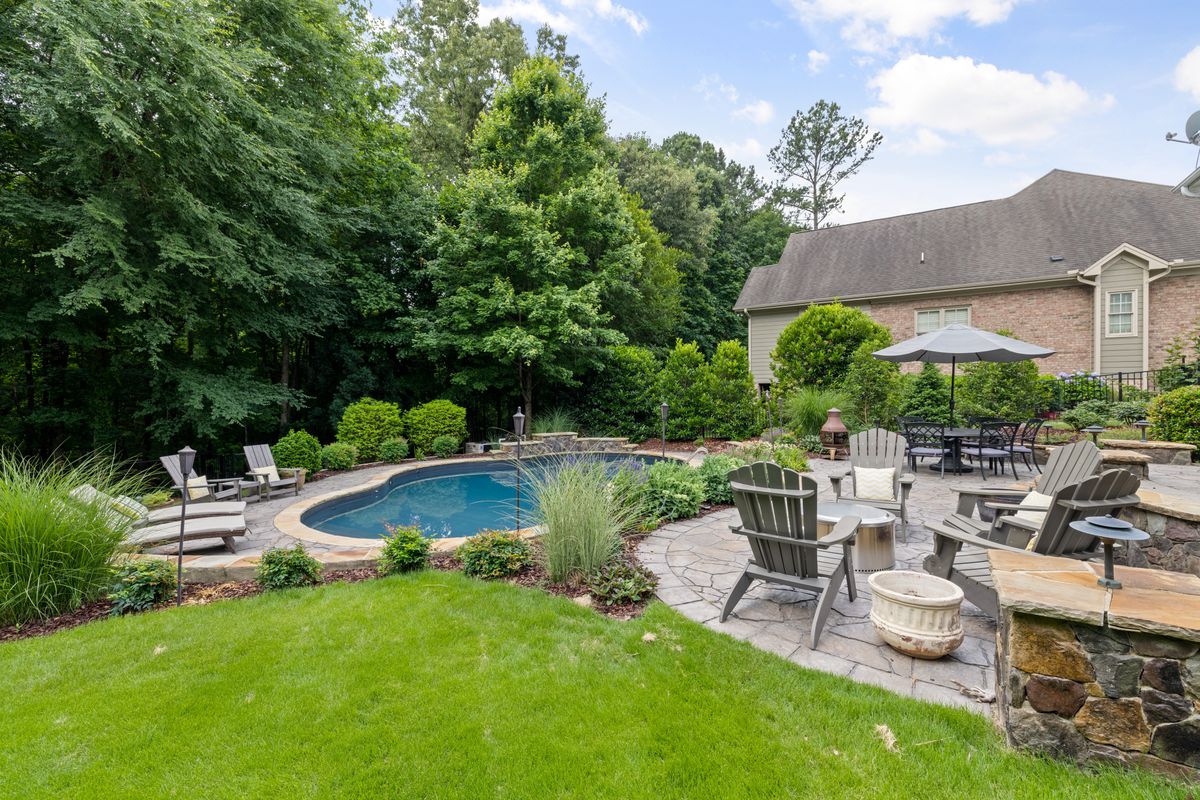
Not every Savannah paver wants the same finish, and picking one by how it looked new is the wrong question. The real question is how the stone lives — what it faces, how much sun it takes, and whether the owner wants the color deepened or just protected. A pool deck or courtyard pavers that sit under heavy live-oak shade in Ardsley Park or on a Wilmington Island lot will collect organic film and damp joints faster than sun-exposed stone, so the priority there is a sealer that sheds water and slows the organic growth rather than one chosen for a wet look. A drive out toward the marsh in Isle of Hope or along the salt-facing sides of the islands takes the salt film and the hard sun, so a UV-stable sealer that holds color and resists the mineral haze matters more there.
The wet-look versus matte question is mostly aesthetic, but it has a real side. A wet-look sealer deepens the color and gives the surface a darker, richer cast, which is what most people mean when they say they want their pavers to look new again — but it also shows every stain more clearly and can peel or cloud faster on stone that is walked or driven on hard. A matte or natural sealer keeps the color closer to what the stone was and hides the day-to-day wear better, which is often the better call on a drive or a heavily used patio. On a pool deck where barefoot comfort and the look of the water matter, the wet look is usually worth it; on a drive where tires and turning scrub at the surface, a more natural finish often ages better.
Where the rinse water goes on a Savannah lot, and why it matters for the sealer
A paver clean-and-seal sends water, lifted organic matter, and spent joint sand off the surface and onto the ground alongside it, and on a Savannah lot that ground is usually landscaping, a bed line, or a walk within a few feet of the work. Before any heavy cleaning we wet the beds and keep the rinse directed so the runoff does not sheet across a young planting or soak into a bed that has not been pre-watered, and we keep the solution conservative on any lot where the drainage heads toward the marsh, because there is a real difference between a residential bed and tidal water underneath it. None of that is exotic, but it is the difference between a clean, sealed surface and a clean, sealed surface that has also damaged the landscaping next to it.
The same conservatism carries to the sealer itself. Sealer fumes and the solvents or water carriers in it are not something you want pooling in a bed or running toward a storm drain, so we keep the application thin, even, and aimed at the surface rather than the surroundings. The goal is a sealed paver, not a sealed planting bed on the downslope side of it.
When sealing is the wrong answer, and when it is the only answer
Sealing is not a fix for every paver problem, and the honest call depends on what has actually gone wrong. If the surface is sound, the color is still there under the film, and the joints are washing out or the weeds are taking over, sealing after a proper clean and re-sand is exactly the right move and usually the one that earns its keep fastest. If the stone is already failing — pavers cracked through, base softened so the surface rocks underfoot, joints so loose that the whole plane has shifted — no sealer will put that right, and the money belongs in a base repair or a replacement conversation before anyone talks about finish.
The other case worth naming is old, faded stone where the color itself is gone. A sealer will deepen what is there and protect what remains, but it will not restore color that UV has already bleached out of the stone. On a drive that has gone grey from years of sun, the owner is sometimes actually buying refinishing, not sealing, and the honest answer is to say so before any work is booked. If the stone is still close to its original color under the film, a clean and seal brings it back far enough to be worth it. If the color has gone, the two conversations are different and the price should be too.
How often a Savannah sealer actually holds up
There is no single calendar for a paver sealer in this climate, because the wear comes from three different directions and they do not move at the same speed. A drive that takes direct salt air and hard sun along the marsh or on the islands generally wants the sealer re-checked every year and often re-done on that schedule, because the salt film and UV both eat at the finish. A patio or pool deck under heavy shade in the historic core or Ardsley Park typically holds longer because the UV is softer, but the organic film and the damp joints move faster there, so the call is more about the joints and the growth than the sealer itself. A covered courtyard or a walk that sees neither heavy sun nor salt can hold a sealer longer, sometimes several years, because the loads on it are lighter.
The cheap version of this work is the regular one. A sealer re-done before the old coat has fully failed is a lighter, quicker job than one where the stone has been bare long enough for the joints to wash out, the color to fade, and the organic film to bond. The expensive version is the reactive one — waiting until the surface has gone back to looking tired, weedy, and uneven and then trying to recover it in one visit. Planning the re-seal on the calendar instead of on the crisis is what keeps the price down and the surface good.
What a paver sealing quote should name, and what it should leave out
A quote worth signing for a Savannah paver job names the surfaces, the square footage, the state of the joints, and whether the work includes the re-sand and the sealer together or just one of them. It should say what kind of stone it is and what the crew expects to see once the clean is done — faded color that sealing will deepen, cracked units that need a separate conversation, or a base that looks soft and needs a different repair. It should also say where the rinse will go and what gets protected on the downslope side, because on a Savannah lot that is rarely an empty stretch of grass.
What the quote should not do is promise a brand-new look on stone that has already lost its color, or quote a sealed price on a surface that has not been walked yet and may need base work once the clean starts. The honest contractor tells you what the sealer will do and what it will not, what the joints look like now and what they will look like after the re-sand, and what the follow-up cadence should be for your particular exposure. If your drive is on the marsh side of town, the answer is different from a courtyard in the historic district, and the quote should say so.
Where to start if you are not sure your pavers need sealing
The honest starting point is a walk across the surface and a look at the joints, on a dry day. If the pavers are still close to their color and the joints are full but the surface has a dull film on it, a clean alone may be enough and the sealer is optional. If the joints are low, the sand is washing out, weeds or ants are working the seams, and the surface still has good color under the film, that is the sealing case — clean, re-sand, and seal in one visit. If the joints are gone, the surface rocks, and the color has faded badly, you are looking at base work and possibly replacement before a sealer will do anything.
The cheap way to find out which case you are in is a photo of the drive, patio, or walk taken on a bright day, plus a look at whether the sand in the joints is still level with the paver face or has washed below it. Send that in and the conversation starts at the right place — whether you need a clean, a clean and seal, or a repair first — instead of at a number that assumes the wrong thing.