Savannah glass is fighting three enemies at once, and they need three answers
The reason a Savannah window never quite looks clean no matter how often it is wiped is that the dirt here does not behave like dirt inland. Off the river, the marsh, and the Atlantic, sea air lays down a fine mineral film on every pane. Ordinary glass cleaner dissolves some of it and smears the rest, which is why the glass looks streaky an hour after it was cleaned. On top of that salt haze, spring brings a heavy live-oak pollen load that settles as a sticky yellow film and glues road dust and grit to the pane. And through the long humid months, airborne moisture condenses on the glass overnight and dries with whatever is floating in it, leaving the fine spotting that a dry paper towel only pushes around.
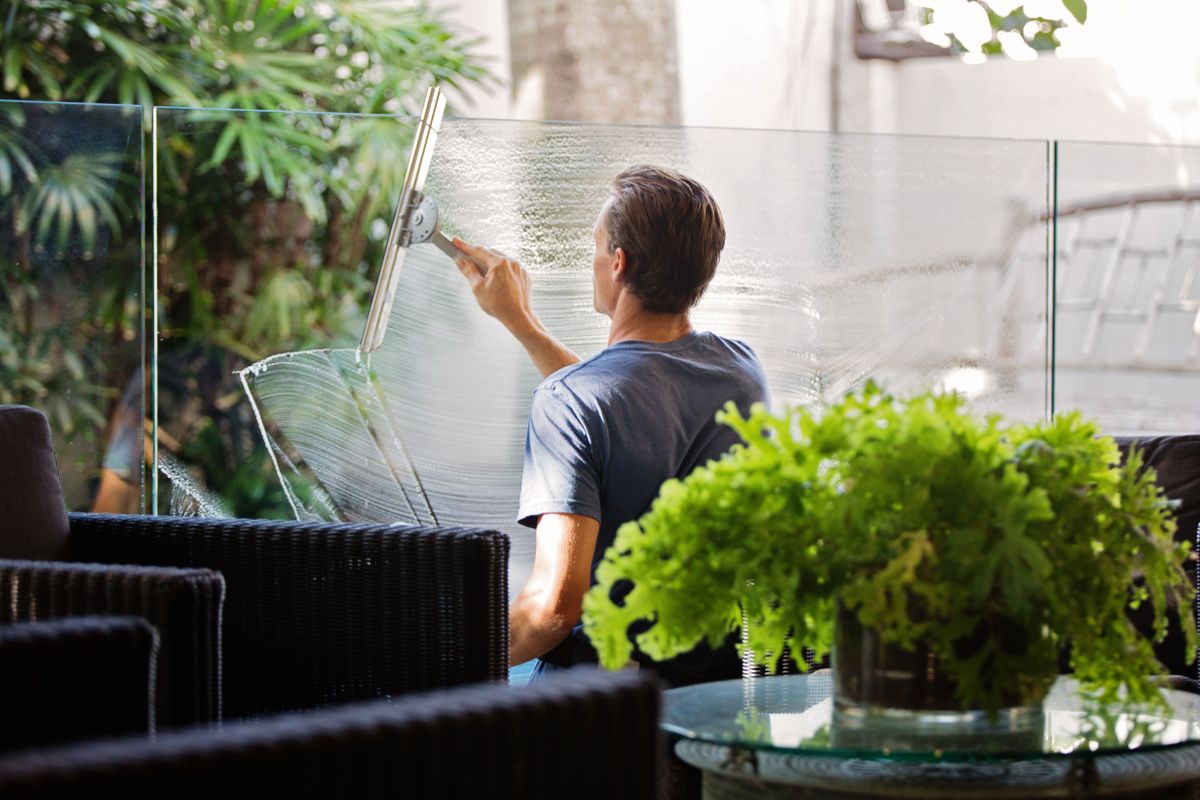
Three different loads, three different answers. A plain wipe-down cannot handle any of them on its own, and the honest fix is a proper method: the right cleaning solution for the mineral film, purified water for the final rinse so nothing is left behind when the pane dries, and a patient hand on the tracks, sills, and screens that a quick window service skips. That is the difference between a pane that looks clean from across the street and one that disappears when you stand in front of it.
Near-me window cleaning starts with access, not a per-pane guess
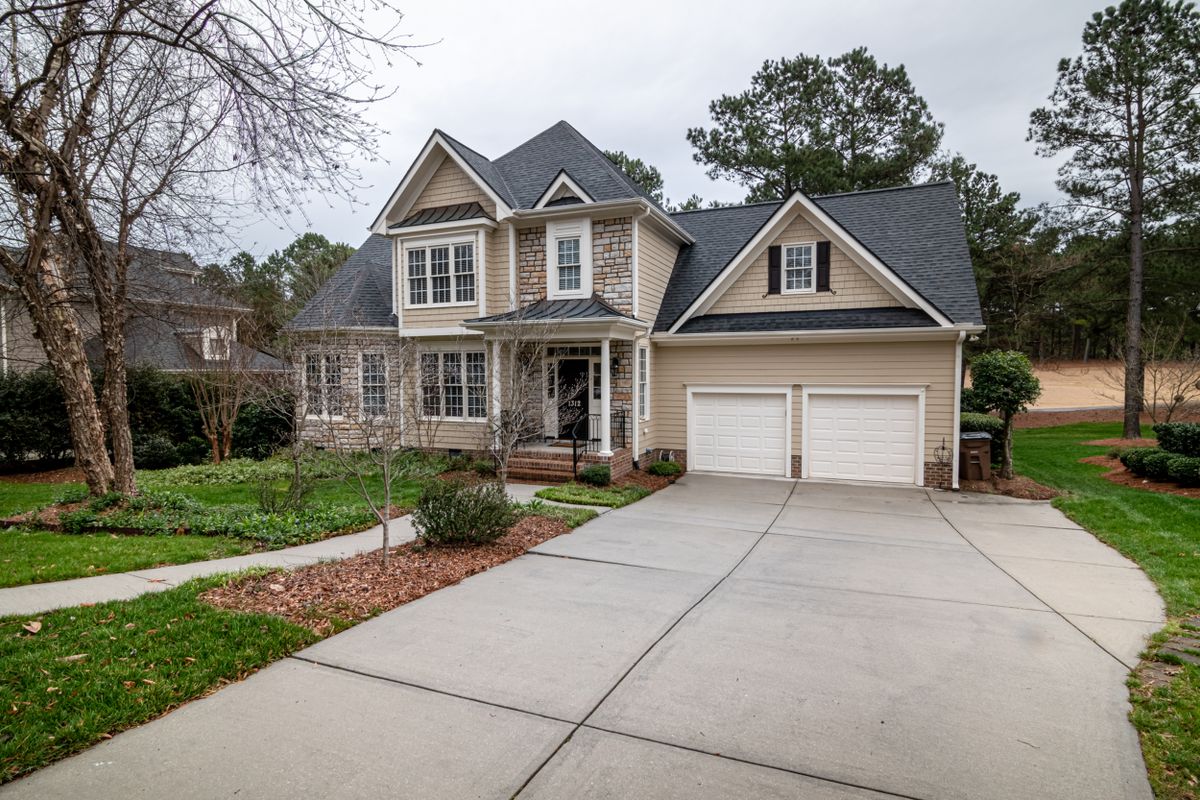
When someone searches for window cleaning near me, the useful answer is rarely a blind price per pane. Savannah houses make access the job. A garden-level bungalow in Ardsley Park, a three-story townhome near the squares, a marsh-facing home on Skidaway, and a rental over a tight lane downtown all have different ladder positions, water access, screen counts, and glass age. We scope that before naming the work, because the quote should tell you which panes are exterior only, which need interior access, which screens are included, and which upper-story glass is better reached by a water-fed pole than by leaning a ladder against old brick or soft landscaping.
That access check also prevents the common surprise: a cheap window quote that cleans the easy front panes and leaves the second-story dormers, porch transoms, or rear sunroom glass untouched. A real Savannah window-cleaning visit names the full elevation set. If a pane is blocked by shutters, security bars, roof pitch, ivy, or fragile historic trim, it gets called out before the day of the job rather than discovered with a bucket already mixed.
The wavy historic glass downtown cannot be cleaned like a modern pane
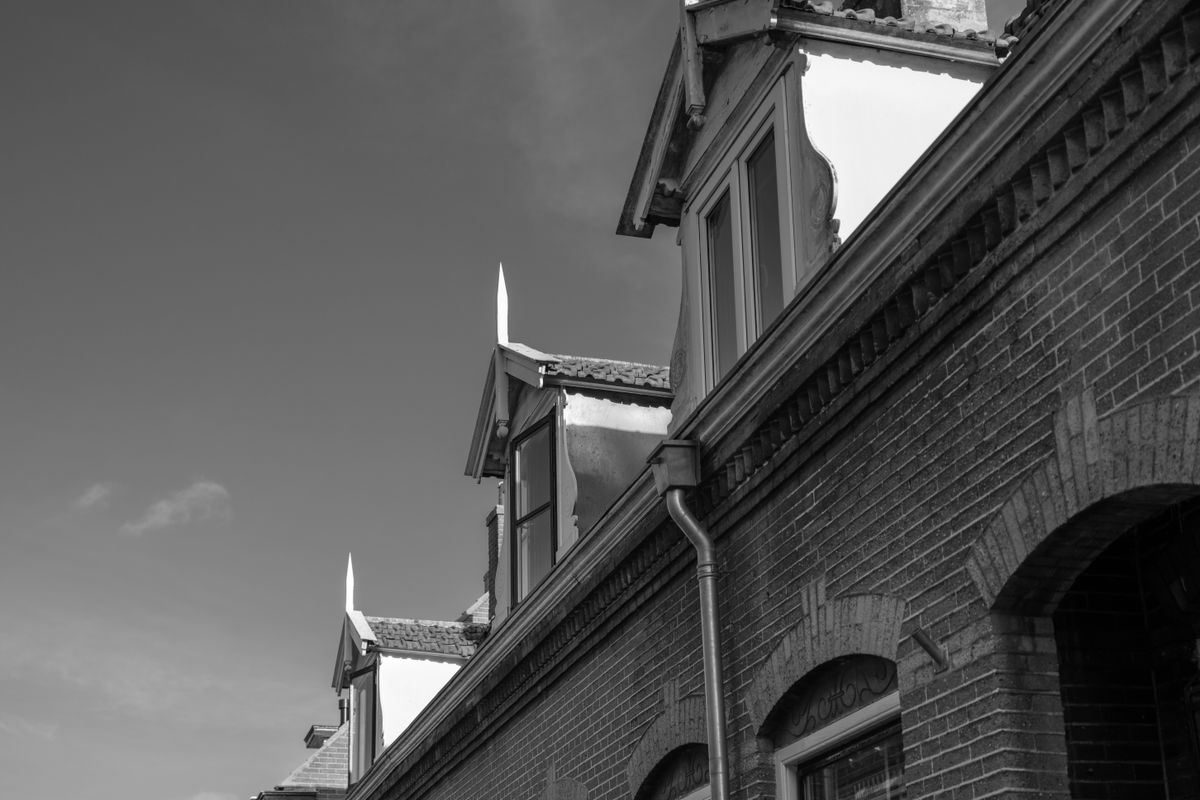
Much of the glass in the Landmark Historic District and around the squares is original to the house. Some of it is the wavy, hand-poured sheet glass from the late nineteenth and early twentieth centuries, and a fair share sits in original wood sash with slim muntins and true divided lites. That glass has no place for the approach used on a modern commercial storefront. You do not run a razor across it, you do not lean a scraper on it, and you do not flood it with the same aggressive cleaner you would use on a tinted new window, because old glass and its fragile edge can scratch and chip in ways a modern pane will not.
On that stock we clean by hand, with soft tools and a surface-appropriate solution, taking the time the wavy surface actually needs rather than the time a priced-per-pane quote assumes. The muntins, the stops, and the wood sash get the same care as the glass, because on a historic home the frame is as much the window as the pane is. If you are paying for the view of Jones Street or the squares, the point is glass that does not distract from what is behind it, and that standard is exactly what this method is for.
Why the purified-water finish is the whole difference on coastal glass
Tap water in Savannah carries minerals, and when a cleaned pane dries, those minerals are left exactly where the water was. That is the root of most "why does it still look spotted" complaints on this coast. We finish the final rinse with purified water, so nothing is deposited as the pane dries and the glass is left film-free and spot-free by the time we step back from it. It is not a gimmick and it is not a premium add-on - it is the step that makes a coastal window actually stay clear long enough to be worth paying for.
The same principle runs through the whole job. Tracks and sills collect the salt and pollen that ordinary cleaning misses, and if they are left dirty they hold moisture against the glass and re-soil the pane from below. Screens catch the salt aerosol and pollen first, and a clean pane framed by dirty screens looks wrong in a way people rarely name. So the tracks are wiped, the sills are cleared, and the screens are rinsed as part of the visit - the parts that hold the film, not just the part you look through.
Storefront panes and residential windows are different service calls
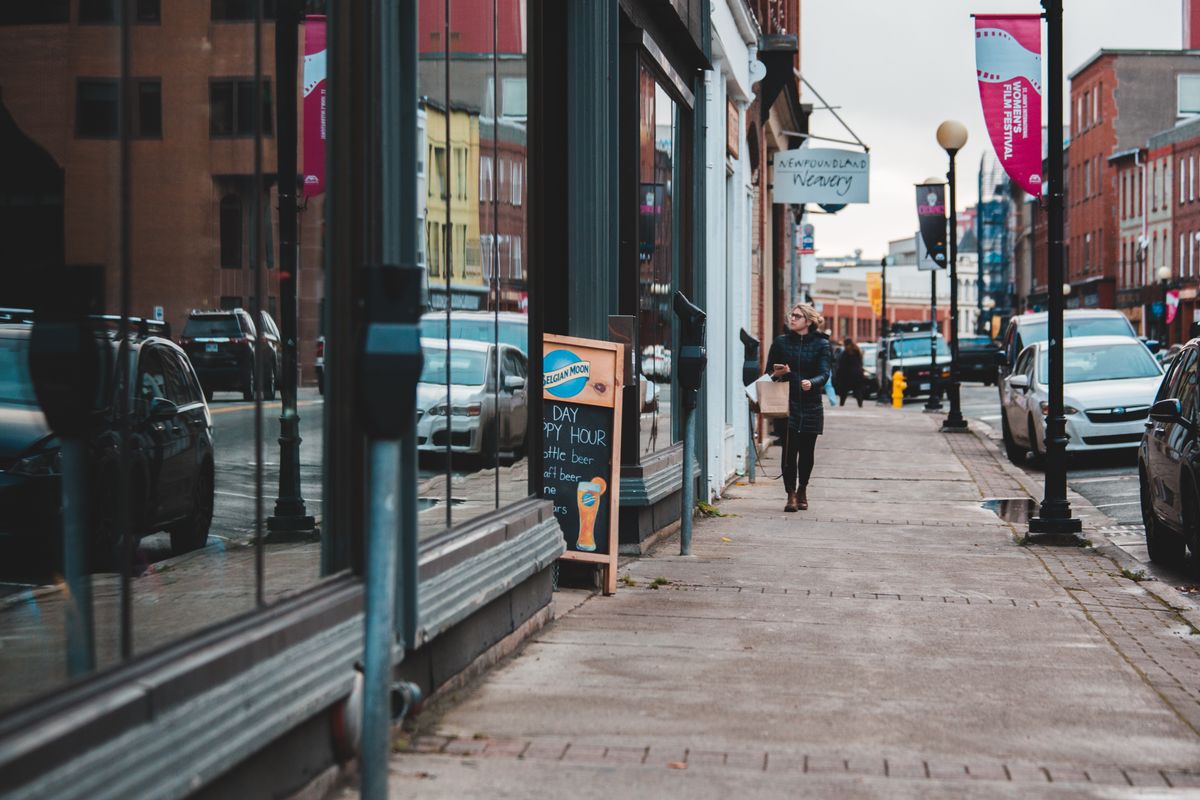
A Savannah storefront window is mostly a frequency problem: fingerprints at the pull, street dust, restaurant grease, and river humidity can make glass look tired again within days, especially around Broughton Street, River Street, and the busier Abercorn corridors. That work is usually a recurring exterior-and-entry pass, scheduled before open so customers never walk through a wet threshold. A residential window clean is slower and more detailed, because it may involve screens, tracks, sills, divided lites, interior access, and room-by-room care around furniture and window treatments.
We price those as the different jobs they are. If you run a shop, the first question is how often the front glass needs to stay sharp and whether the entry, sign face, or awning belongs in the same visit. If you own a home, the first question is which elevations carry the most salt, pollen, and shade and whether the inside glass is part of the request. Both are window cleaning, but a quote that treats them as interchangeable usually leaves either the business under-served or the homeowner overcharged.
Upper stories are a reach problem, not a strength problem
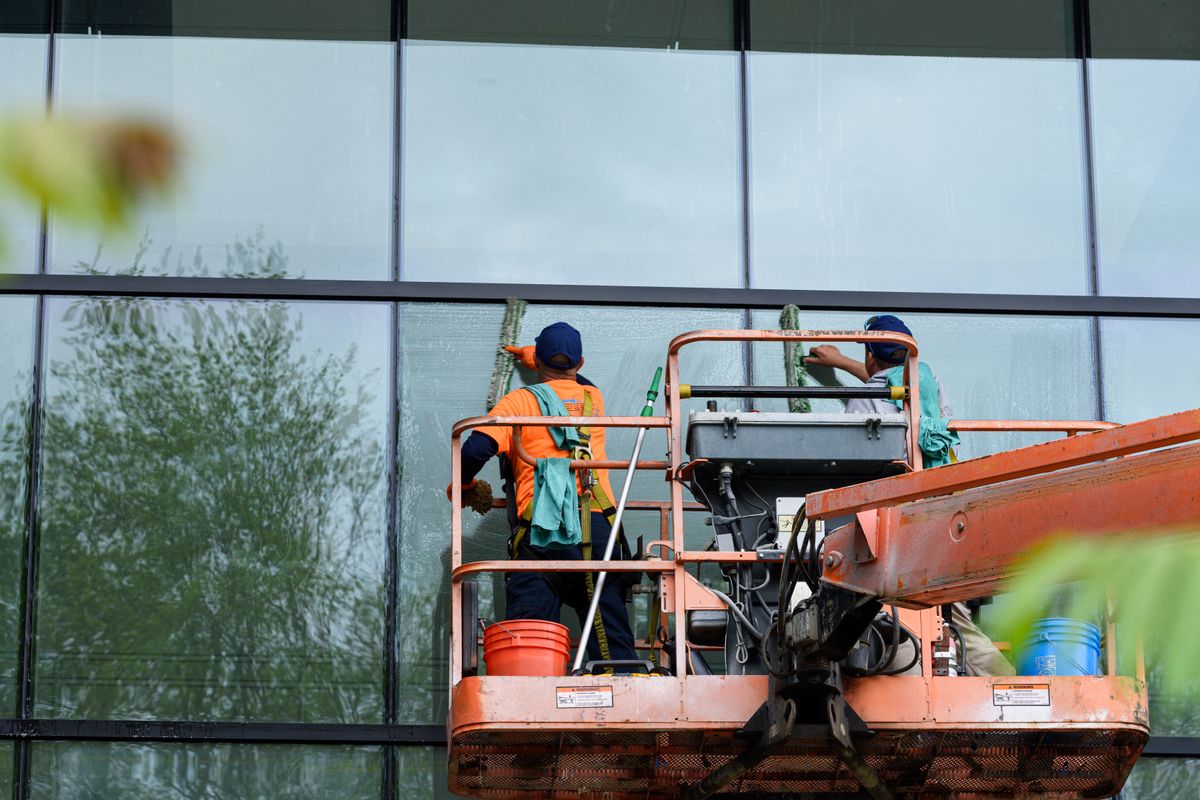
A Savannah home does not get more manageable as it gets taller, and the tall downtown townhomes and the larger homes on Skidaway, Wilmington Island, and in the newer Pooler subdivisions make that plain. Sending a ladder up three stories on a historic brick or over a landscaping bed is slow, risky, and hard on the property. The safer and faster answer for most upper glass is a water-fed pole, which lets the crew clean the full height from the ground with the same purified-water system - reach without a ladder against the wall, and no pressure put on the frame that a ladder foot would.
On the genuinely delicate historic elevations we still work by hand where the pole would be the wrong tool, and the honest plan is usually a mix: hand work on the old glass and the ornamented lower floors, pole work for the clean upper planes. Whatever it takes, the standard is the same - glass clean enough that the view of the live oaks and the marsh disappears the screen.
What to do before the crew arrives
Good prep is simple and it saves paid time. Unlock the gates, move fragile items off the sills, pull back furniture from interior panes you want cleaned, and decide whether screens are coming out or staying in place. If a room has alarm contacts, plantation shutters, delicate drapery, or a painted-shut sash, say so before the cleaner is standing there with wet hands. Outside, a working spigot and a clear path around the house matter more than almost anything else; a water-fed pole system is efficient only when the hose can actually reach the elevations.
For upper windows, we also want to know what is below them. Beds of azaleas, brick courtyard walls, tabby edging, and soft downtown landscaping all change where ladders can safely stand and where rinse water should go. The cleanest job is the one scoped with those constraints named, not the one improvised around them.
What a window service will not fix, and when to spend the money elsewhere
Two conditions come up on Savannah glass that cleaning alone will not cure, and it is worth naming both before you book. The first is etched or pitted glass. Years of salt, pollen, and improper cleaning can etch the surface so the damage is in the glass itself, and no amount of cleaning will return it to clear - it is a replacement conversation, and a professional will tell you so rather than take a booking knowing it cannot deliver. The second is hard water scale that has bonded to the pane, the chalky mineral buildup from years of irrigation overspray or untreated water drying on the glass. Light scale sometimes lifts with the right treatment; scale that has baked on through several seasons may need more than a clean.
The honest starting point is a photo of the glass taken on a bright day, which tells us whether you are looking at film we can remove or damage we cannot. If it is film - salt haze, pollen, spotting - a proper clean is the fix. If it is etching or bonded scale, the money belongs in glass repair or replacement, and we would rather say that before we schedule than book a visit that cannot deliver.
The Savannah schedule: more than a yearly wipe-down
There is no single calendar that fits every Savannah window, but the honest range is tighter than an inland city's. Homes near the river, the marsh, or the Atlantic, where the salt load is heaviest, and homes under a heavy live-oak canopy, where the pollen lands thickest, usually want attention two or three times a year to keep the view sharp - often before the spring pollen peak and again headed into fall. Homes on open inland lots can stretch that, but even there the humidity and the pollen keep a yearly clean from being enough to call it done.
The lower-cost version is the visit booked before the film has baked on. A salt film that is still fresh and a pollen layer that has not hardened through several seasons come off gently and quickly; old bonded buildup needs more solution, more patience, and more passes to lift, and the longer it sits the closer it gets to the etching that cleaning cannot reverse. If the view of the squares, the live oaks, or the marsh is why you are in Savannah, a clean pane is the small maintenance step that keeps it worth having. Get a quote for your Savannah windows and we will tell you honestly what your glass needs and when.